Viola hederacea (Native Violet)
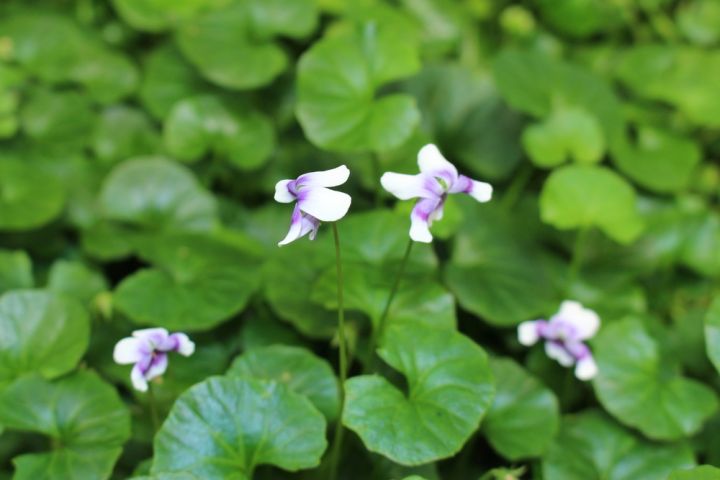
Viola hederacea, commonly known as Native Violet, is a fast-spreading, low-growing groundcover native to Australia. It is ideal for shady areas, offering a lush green carpet with delicate purple and white flowers that bloom for most of the year. This hardy plant is perfect for moist garden beds, between pavers, and under trees in Melbourne’s climate.
🌿 Key Features:
- 📏 Size: Grows up to 10 cm tall and spreads up to 1 meter wide.
- 🌸 Flowers: Small purple and white blooms appear year-round, with peak flowering in spring and summer.
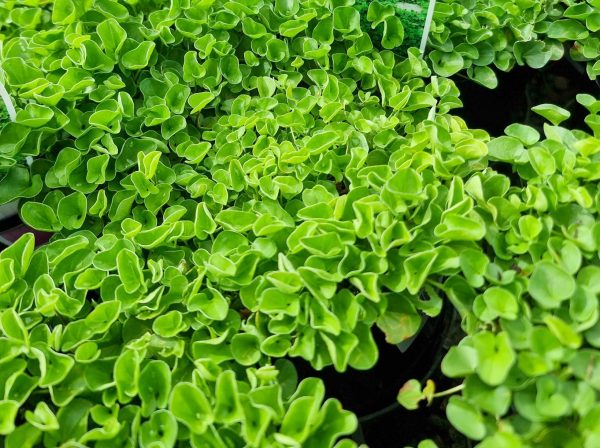
- 🍃 Foliage: Soft, rounded, deep green leaves create a dense mat.
- 🌱 Growth Habit: Spreading, creeping groundcover that roots as it spreads.
- 💦 Moisture-Loving: Prefers moist soil, making it excellent for damp areas.
🌞 Growing Conditions & Care:
✅ Light: Best in part shade to full shade; can tolerate some sun but prefers filtered light.
✅ Soil: Thrives in moist, well-draining soil but adapts to a variety of conditions.
✅ Watering: Requires regular watering, especially in dry periods.
✅ Pruning: Minimal pruning needed—trim back if it spreads too far.
✅ Fertilizing: Apply a slow-release fertilizer in spring to promote healthy growth.
✅ Pest & Disease Resistance: Generally pest-free, but can suffer if exposed to extreme drought.
🌱 Best Uses in Landscaping:
✔ Lawn Alternative: Soft and walkable, ideal for low-traffic areas.
✔ Between Pavers & Pathways: Fills gaps with lush greenery and flowers.
✔ Under Trees & Shrubs: Thrives where grass struggles, covering bare soil.
✔ Moist, Shady Areas: Perfect for damp spots, near ponds, and rain gardens.
✔ Hanging Baskets & Containers: Creates a beautiful cascading effect.
🌿 Why Choose Native Violet for Melbourne Gardens?
- Native & Low-Maintenance – Thrives naturally in Melbourne’s climate.
- Shade-Tolerant – One of the best groundcovers for shady gardens.
- Evergreen & Long-Flowering – Provides year-round greenery and delicate blooms.
- Wildlife-Friendly – Native Violet Attracts pollinators like bees and butterflies.