Ficinia nodosa (Knobby Club Rush)
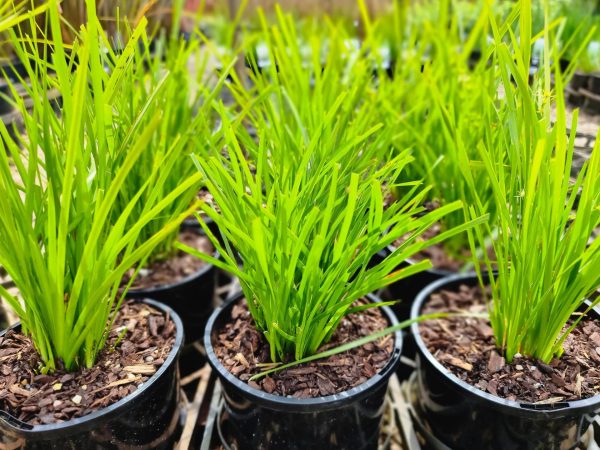
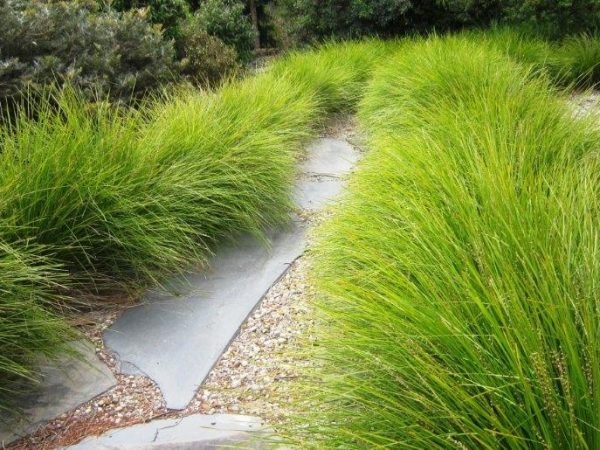
Ficinia nodosa, commonly known as Knobby Club Rush or Knotted Club Rush, is a tough, evergreen, perennial sedge native to Australia and New Zealand. It is highly valued for its adaptability to coastal and wetland environments, making it a popular choice for landscaping and erosion control.
Key Characteristics:
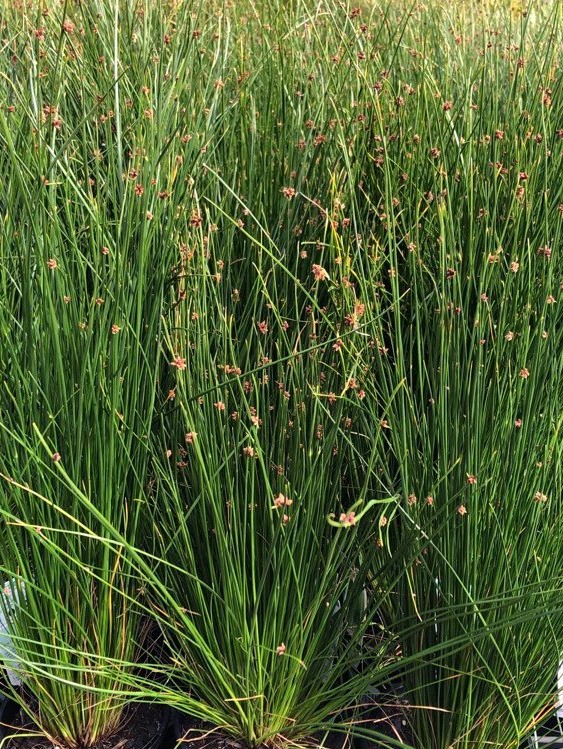
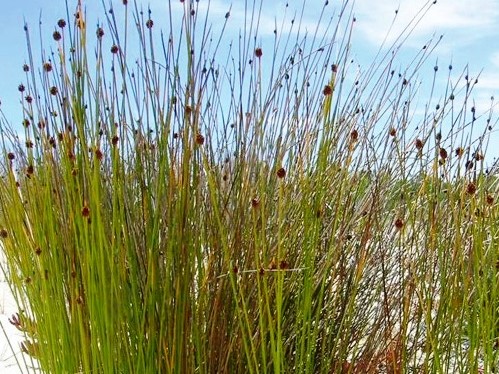
- Growth Habit: A clumping, tufted rush with upright, narrow, cylindrical stems.
- Height: Typically grows between 50 cm and 1.5 meters.
- Leaves: Reduced to sheaths at the base, with dark green to blue-green stems that act as leaves.
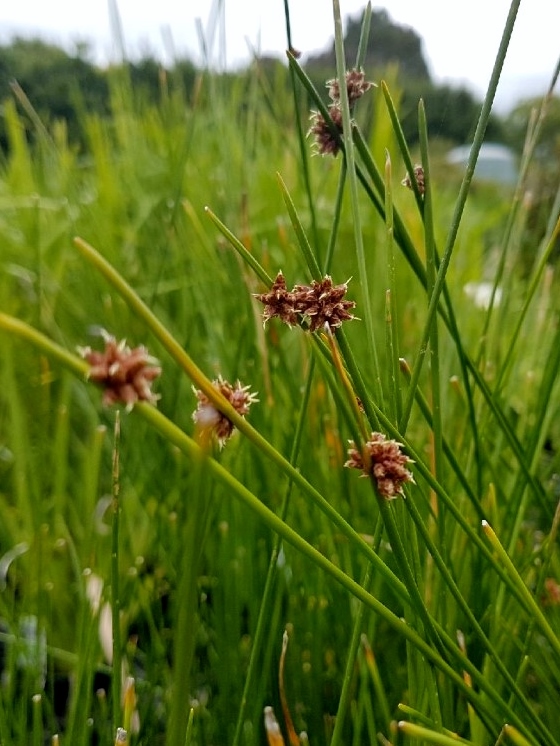
- Flowers: Small, brown, knobby flower heads appear near the tips of the stems year-round, with peak flowering in spring and summer.
- Drought & Salt Tolerance: Extremely hardy, tolerating coastal conditions, salty winds, and poor soils.
Growing Conditions & Care:
- Light: Full sun to partial shade.
- Soil: Prefers moist, well-draining soils, but tolerates sand, clay, and saline soils.
- Watering: Drought-tolerant once established but thrives in damp or wet conditions, making it ideal for wetlands and rain gardens.
- Maintenance: Low-maintenance; can be trimmed back if needed to remove dead growth.
Uses in Landscaping & Ecology:
- Erosion Control: Commonly planted along coastal dunes, wetlands, and riverbanks to stabilize soil.
- Water Gardens & Bioswales: Suitable for wetland restoration, rain gardens, and pond edges.
- Urban Landscaping: Used in low-maintenance gardens, median strips, and commercial landscapes.
- Wildlife Habitat: Ficinia nodosa provides shelter for small birds, insects, and aquatic life.