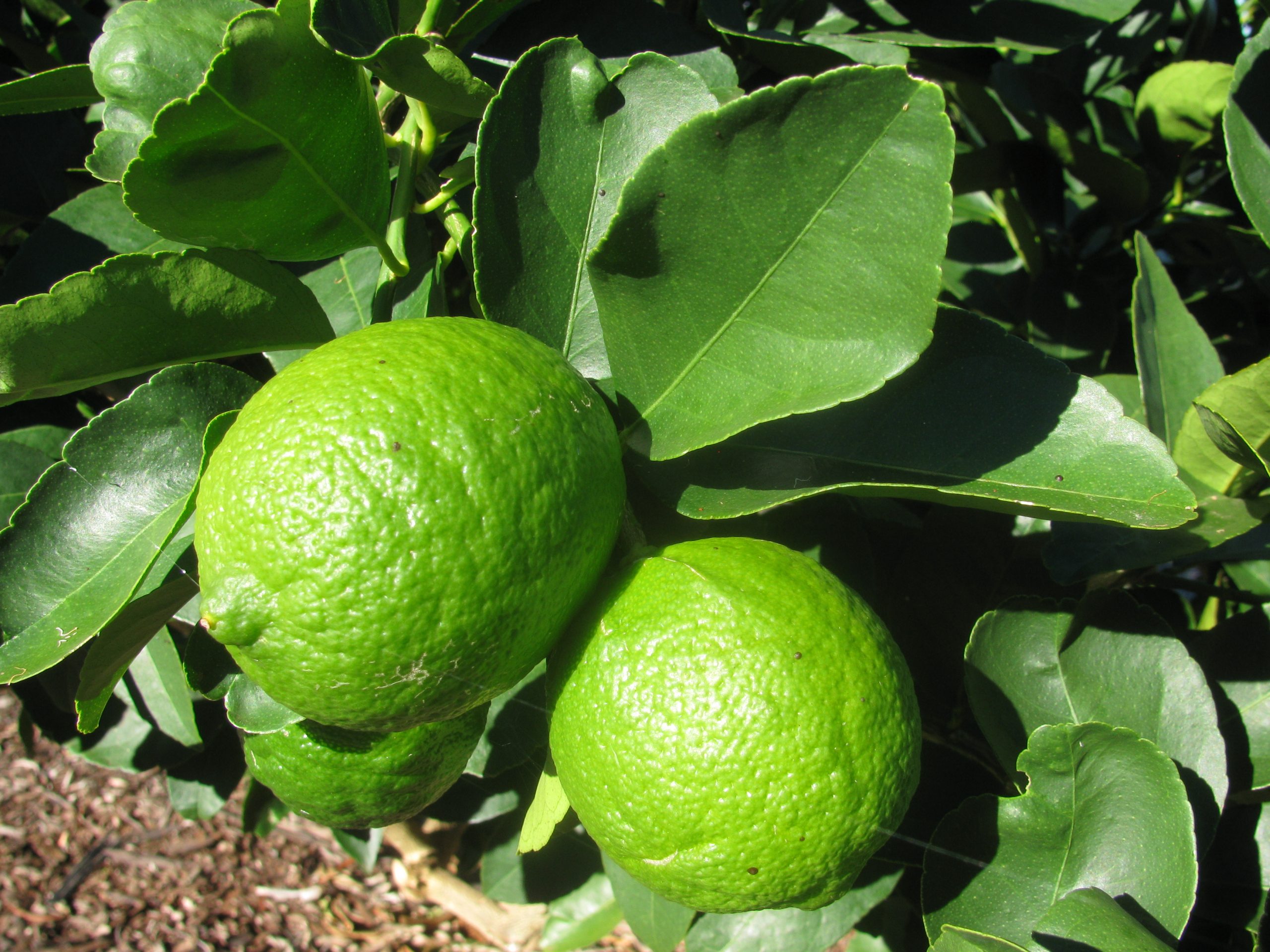
Grow premium-quality limes from your own backyard
The Tahitian Lime Tree is the most popular lime tree and produces very juicy fruit year round. Lime is an incredible addition to your home.
Citrus latifolia, commonly known as the Persian lime or Tahiti lime, is a popular variety of lime that is widely grown for its smooth, green fruit and refreshing, tangy flavor. Unlike the smaller and more acidic Key lime, the Persian lime is larger, seedless (or nearly seedless), and less tart, making it ideal for culinary uses, beverages, and garnishing.
Key Features of Citrus latifolia (Persian Lime):
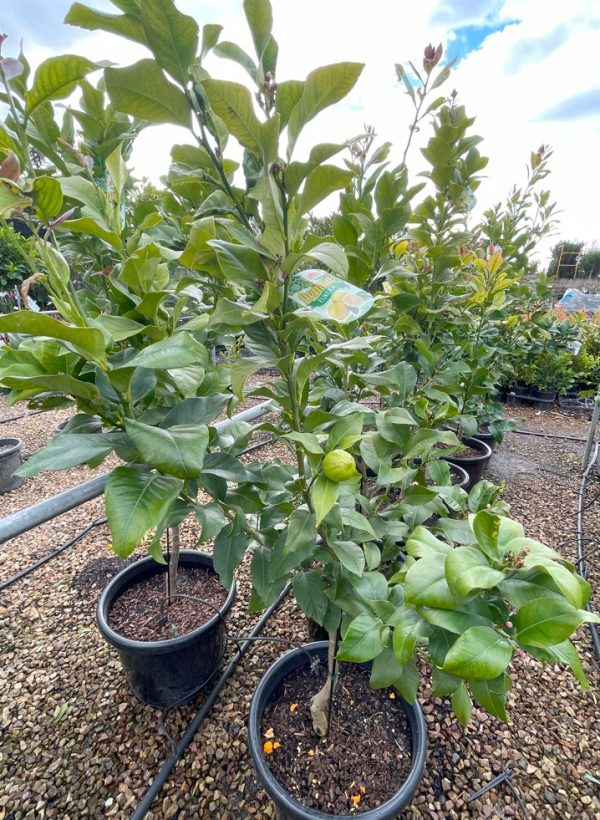
- Size: The Persian lime tree is a medium-sized evergreen shrub or small tree that typically grows between 10 and 15 feet (3 to 4.5 meters) in height. Dwarf varieties are also available, which can be much smaller and suitable for container gardening.
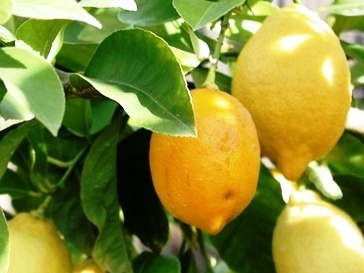
- Fruit: The fruit of Citrus latifolia is larger than other lime varieties, typically around 3 to 4 inches (7.5 to 10 cm) in diameter. It has a smooth, green skin that turns yellowish-green when ripe. The fruit is usually seedless and has a less acidic, slightly sweeter flavor compared to other types of limes, though still quite tangy.
- Flavor: Persian limes have a mild, refreshing flavor that is ideal for making lime juice, zesting, or using in cooking, beverages (like margaritas), or desserts.
- Growing Conditions:
- Sunlight: Persian lime trees require full sun to grow and thrive, ideally 8 to 10 hours of direct sunlight per day.
- Soil: They prefer well-draining, slightly acidic soil with a pH range of 5.5 to 6.5. Good drainage is crucial to prevent root rot.
- Watering: These trees need regular watering, but the soil should be allowed to dry out slightly between waterings. Over-watering or waterlogging can lead to root problems.
- Climate: Persian lime trees thrive in subtropical to tropical climates and are sensitive to frost. In cooler climates, they can be grown in containers and brought indoors during the winter months.
- Care and Maintenance:
- Fertilization: Regular feeding with a balanced citrus fertilizer is essential to support healthy growth and fruit production. Fertilize every 4-6 weeks during the growing season.
- Pruning: While generally low-maintenance, pruning can help shape the tree, remove dead or damaged branches, and improve air circulation, which is important for healthy growth.
- Pests and Diseases: Like other citrus trees, Citrus latifolia can be susceptible to pests such as aphids, scale, and spider mites. It can also be affected by fungal diseases like root rot if the tree is overwatered.
Benefits of Citrus latifolia (Tahitian Lime Tree):
- Flavor: Persian limes are less acidic than other lime varieties, making them perfect for a variety of uses without overwhelming tartness.
- Seedless Fruit: The lack of seeds makes them easier to use in cooking, juicing, and garnishing, without the hassle of removing seeds.
- Versatile: Persian limes are used in a wide range of culinary applications, from cocktails (like margaritas) to savory dishes, salads, dressings, and desserts.
- High Yield: Persian lime trees are typically prolific producers of fruit when well cared for, providing a steady supply of limes throughout the growing season.
Additional Tips:
- Indoor Growing: Persian lime trees can be grown indoors if they are placed in a sunny location, like a south-facing window, or under grow lights. Make sure to use a well-draining container and avoid overwatering.
- Harvesting: Persian limes can be harvested when they turn a pale greenish-yellow color. The fruit does not ripen much further after picking, so they should be left on the tree until fully mature for the best flavor.
Beautiful tree, exceptional fruit, outstanding garden performance
In summary, Citrus latifolia (Persian lime) is a hardy and productive lime tree that provides flavorful, seedless limes suitable for a wide variety of culinary and beverage uses. It thrives in warm climates but can also be grown indoors or in pots in cooler areas. With proper care, it will provide a steady supply of fruit year-round.