The Bay Tree, Laurus nobilis is commonly known as the bay laurel or bay tree, is a versatile and aromatic evergreen tree native to the Mediterranean region. It is well-known for its fragrant leaves, which are commonly used in cooking, especially in Mediterranean cuisine, and also for its ornamental value in gardens.
Here are some key characteristics and growing information about Laurus nobilis:
Size and Growth
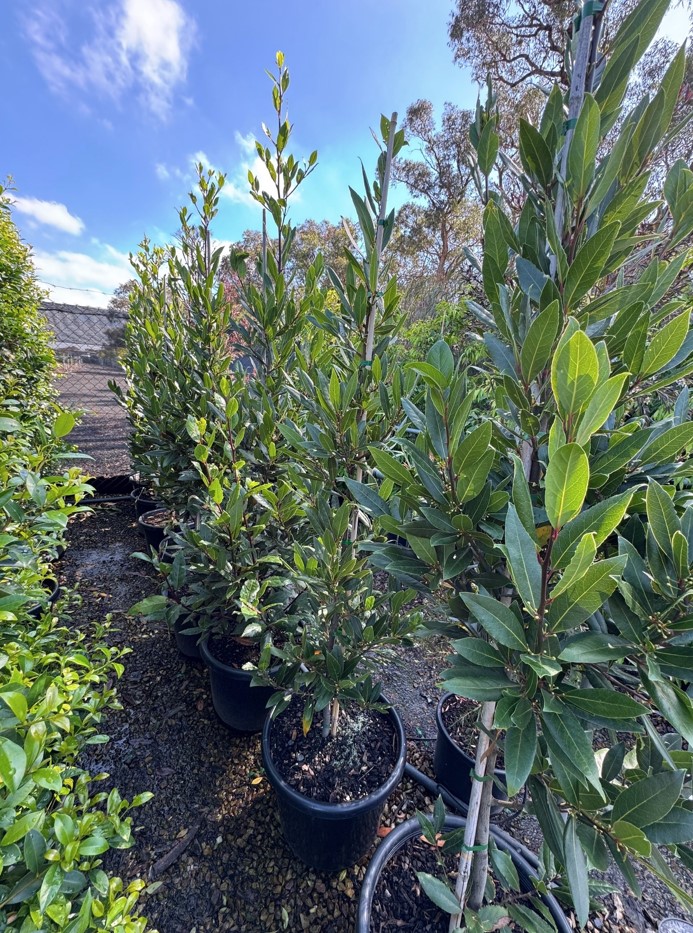
- Height: The bay tree can grow to a height of 20 to 60 feet (6 to 18 meters) in its native habitat. However, when cultivated in gardens or containers, it is often pruned to maintain a smaller size, typically around 10 to 15 feet (3 to 4.5 meters).
- Width: It generally grows to a width of around 10 to 15 feet (3 to 4.5 meters) when fully mature, though this can vary depending on the growing conditions.
Appearance
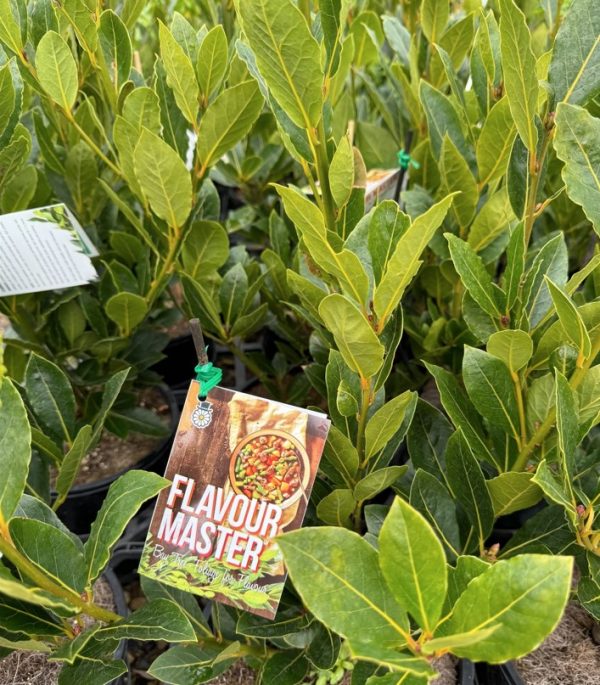
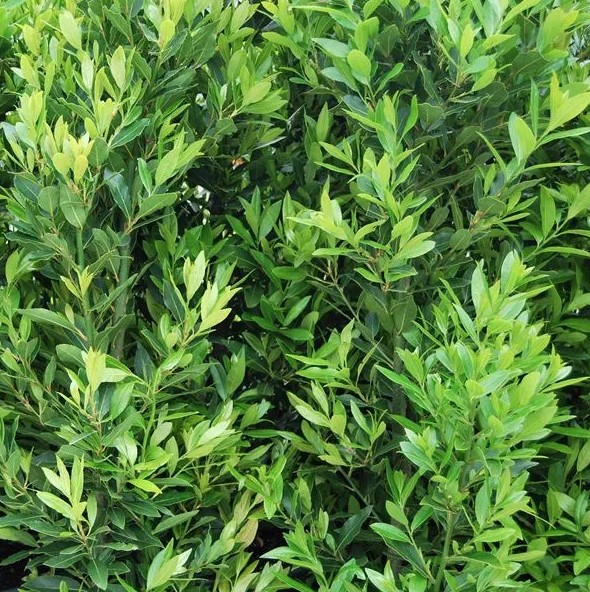
- Leaves: The bay tree has dark green, leathery, and aromatic leaves. These leaves are long (about 2-4 inches or 5-10 cm) and lance-shaped with a smooth edge. They are commonly used fresh or dried in cooking, particularly in soups, stews, and sauces.
- Flowers and Fruit: The bay tree produces small, yellow-green flowers in the spring, followed by dark blue-black berries in the fall, though it is primarily valued for its leaves.
Growing Conditions
- Climate: Bay laurel thrives in mild Mediterranean climates but can be grown in areas with mild winters and warm summers. It is sensitive to frost and can be damaged by freezing temperatures. In colder climates, it can be grown in pots and brought indoors during the winter months.
- Soil: It prefers well-draining soil, and while it tolerates a wide range of soil types, it does best in slightly acidic to neutral soil.
- Light: Bay trees prefer full sun to partial shade. They need good sunlight to grow vigorously, though they can tolerate some shade.
Uses
- Culinary: Bay leaves are a common ingredient in Mediterranean cooking, known for their distinctive, slightly bitter flavor. The leaves are typically added whole to dishes and removed before serving.
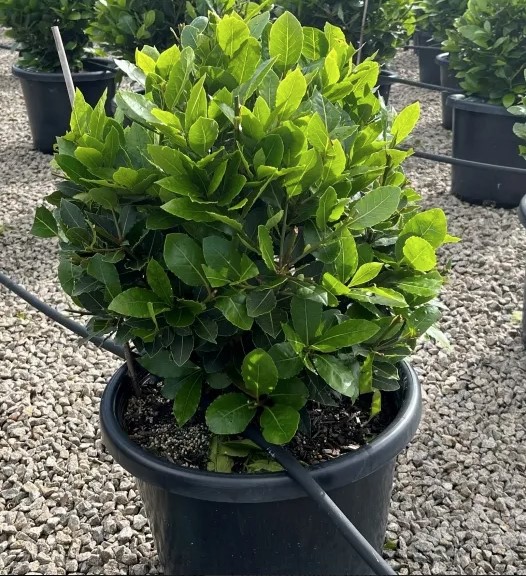
- Ornamental: Bay trees are popular in gardens and landscapes due to their attractive foliage and ability to be shaped through pruning. They can be grown as shrubs, small trees, or even trained into topiaries or formal hedges.
- Herbal Medicine: In traditional herbal medicine, bay leaves have been used for their potential therapeutic properties, including digestive support and anti-inflammatory effects, though they are not commonly used in modern remedies.
Care
- Watering: Bay trees are drought-tolerant once established but prefer consistent watering during the growing season. They do not like to sit in waterlogged soil, so ensure proper drainage.
- Pruning: Bay trees can be pruned to maintain their desired size and shape. If growing in a container, occasional pruning will help control the size.
- Fertilization: They benefit from occasional fertilizing in the spring with a balanced fertilizer to encourage healthy growth.
Overall, Laurus nobilis is a hardy and attractive plant that offers both culinary and ornamental value, especially when maintained with proper care in suitable growing conditions.