
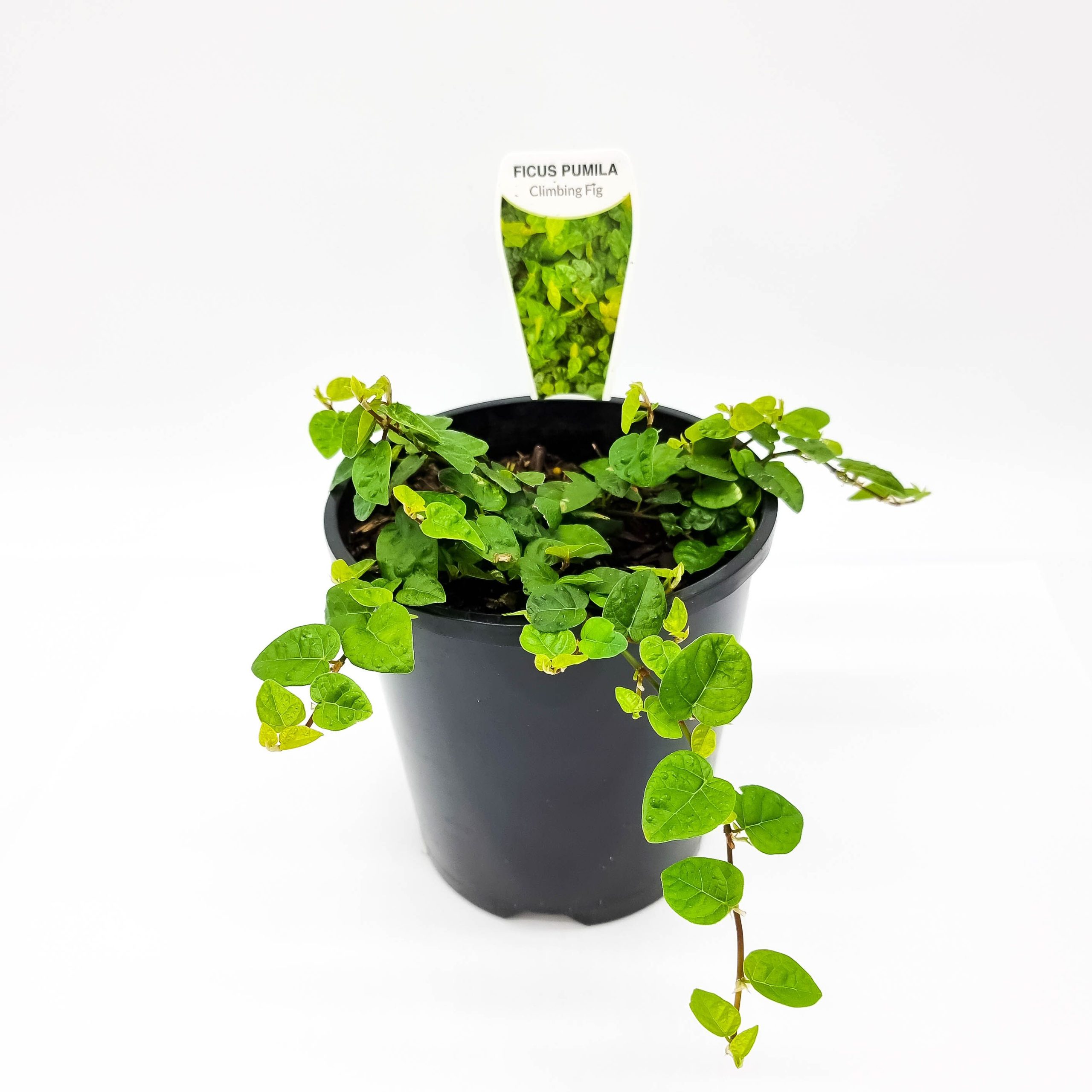
🌿 Ficus pumila — Creeping Fig
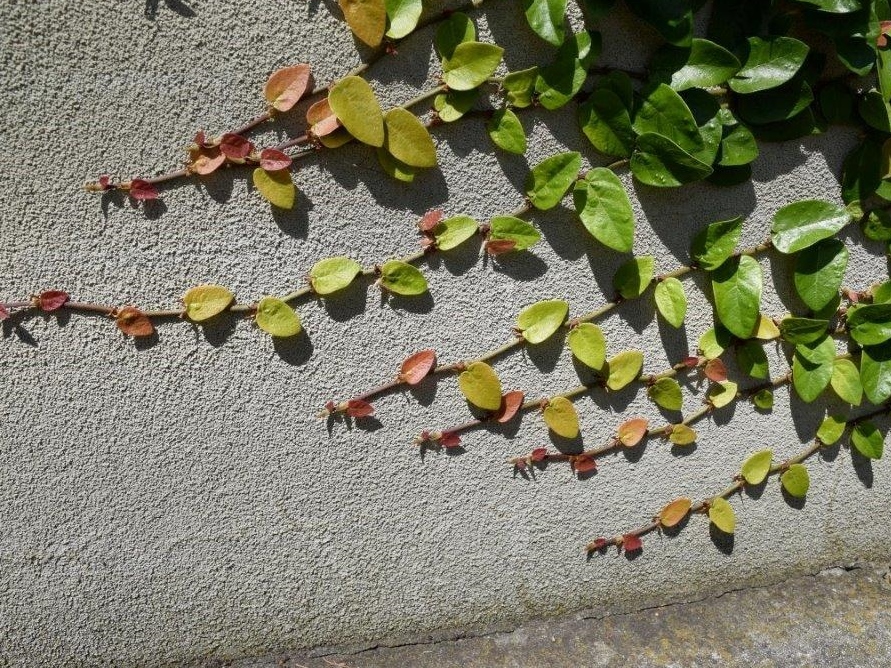
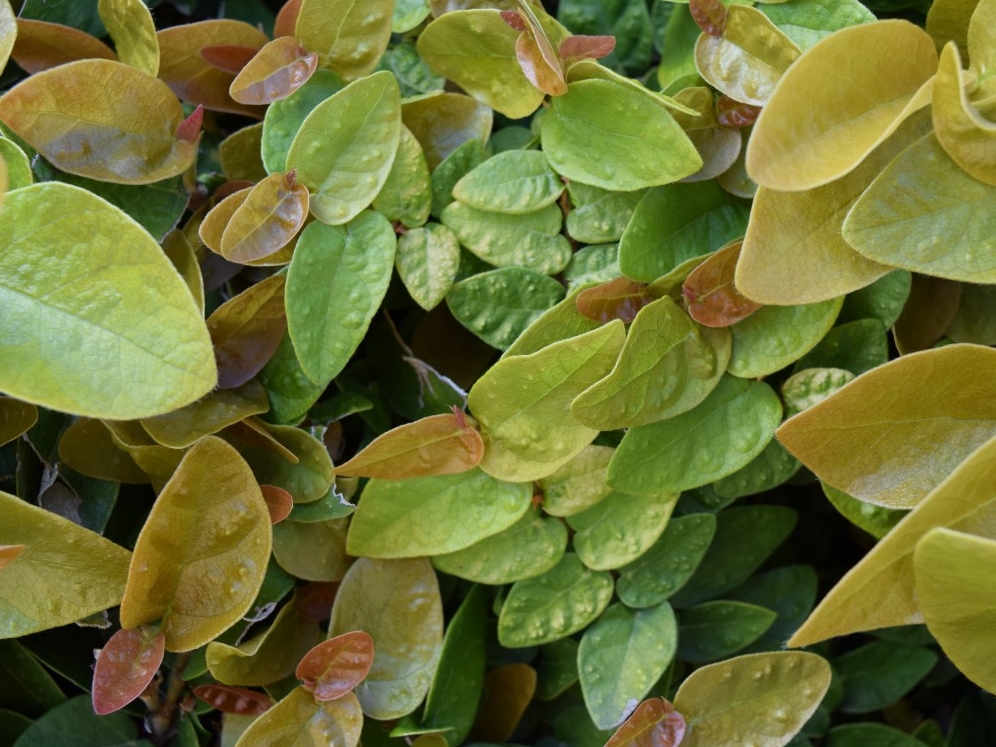
Ficus pumila, commonly called Creeping Fig, is a fast-clinging evergreen climbing vine widely used in Melbourne gardens to cover walls, fences and rendered surfaces with a dense green living layer. It attaches using tiny aerial roots that grip masonry and timber, creating an instant green façade that softens hard structures and improves privacy. In Melbourne’s temperate climate it grows vigorously from spring to autumn, forming a tight mat of small juvenile leaves that remain neat when regularly trimmed. Because it spreads horizontally as well as vertically, creeping fig is one of the most effective plants for turning blank boundaries into green garden features with minimal soil space required.
Quick facts
| Feature | Detail |
|---|---|
| Botanical name | Ficus pumila |
| Common name | Creeping Fig |
| Growth rate | Fast (1–3 m per year once established) |
| Height | Climbs indefinitely (pruned to size) |
| Width | Spreads along surfaces |
| Foliage | Small dense evergreen leaves |
| Sun | Full sun to shade |
| Water | Moderate |
| Best use | Wall cover, fence cover, green façade |
Why it works well in Melbourne
-
Handles cool winters and warm summers
-
Thrives in both sun and shaded southern walls
-
Ideal for narrow side passages where trees won’t fit
-
Provides insulation to brick and concrete walls
-
Reduces heat reflection in west-facing courtyards
-
Suitable for inner-city terraces and modern homes
Best planting positions
-
Boundary fences needing coverage
-
Brick or rendered house walls
-
Garage walls and sheds
-
Retaining walls
-
Courtyard privacy screens
-
Unsightly surfaces and utilities
Growth behavior (important to understand)
Creeping fig has two growth stages:
Juvenile stage
-
Small neat leaves
-
Tight flat growth against surfaces
-
Preferred ornamental look
Mature stage
-
Larger leaves
-
Woody stems
-
Occurs if not trimmed for long periods
Regular trimming keeps it in the attractive juvenile form.
Soil & planting
-
Prefers well-drained soil but tolerant of most types
-
Improve heavy clay with compost
-
Plant 20–30 cm away from wall base
-
Install irrigation for first summer
-
Mulch heavily to stabilise moisture
Watering
-
First year: keep consistently moist
-
Established: drought tolerant
-
Shade positions require less water
-
Avoid waterlogging in winter
Pruning & maintenance
-
Trim 2–4 times per year to keep flat
-
Remove outward growth to maintain wall-hugging habit
-
Hard prune in spring if overgrown
-
Can be cut back severely and regrows
When it struggles
-
Smooth metal or glass surfaces (cannot grip)
-
Loose painted surfaces
-
Constantly wet soil
-
Very windy exposed fences when young
Common concerns
Does it damage walls?
No — it attaches to surfaces but does not penetrate sound brickwork or mortar.
It can mark old paint when removed.
Will it get into gutters?
Only if allowed to grow into them — annual trimming prevents this.
Ideal companion plants
-
Magnolia Teddy Bear (vertical contrast)
-
Buxus balls (formal base planting)
-
Gardenia (softening)
-
Ferns in shaded areas
Creeping Fig:
Ficus pumila, commonly known as creeping fig, is a fast-growing evergreen climbing plant ideal for covering walls, fences and rendered surfaces in Melbourne gardens. Its small dense foliage forms a natural green screen that improves privacy, reduces heat reflection and softens hard architectural features while tolerating sun or shade conditions. Suitable for courtyards and narrow spaces where trees cannot fit, creeping fig quickly creates a lush living wall with minimal soil area required. With regular trimming to maintain its juvenile foliage and well-drained soil, ficus pumila is a low maintenance solution for vertical greenery and year-round coverage in Victoria landscapes.