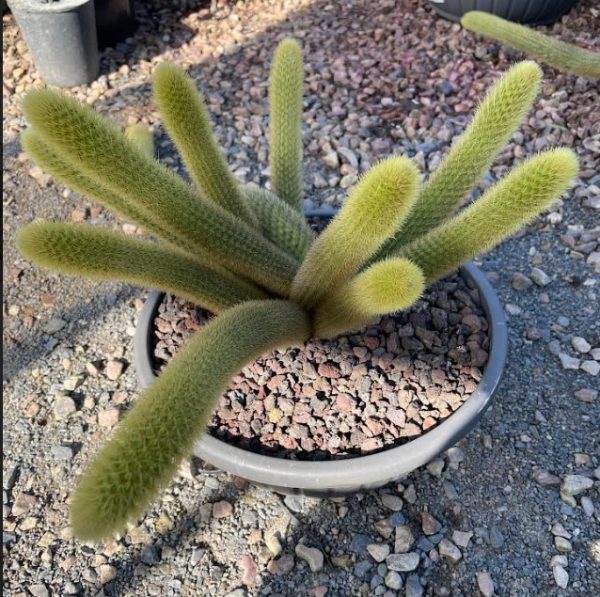
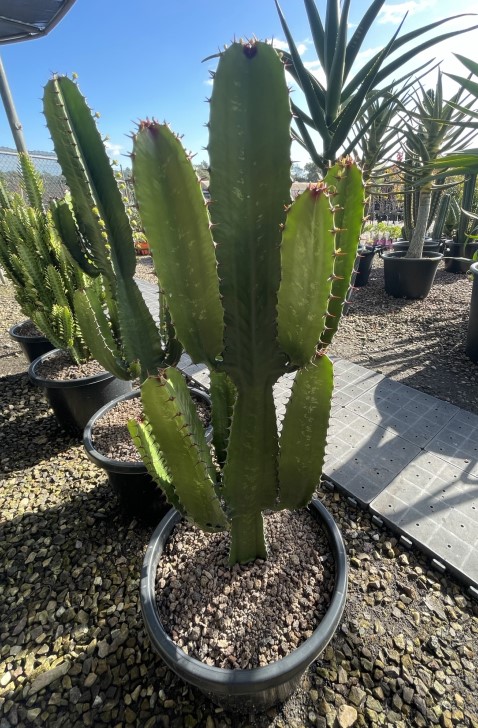
Cowboy Cactus. Get your Cowboy on! and have potentially the coolest cactus going around delivered to your door.
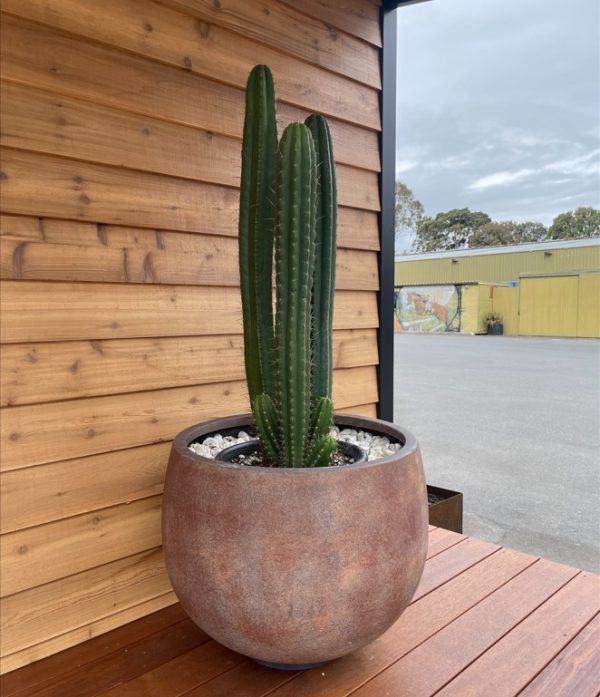
Euphorbia acrurensis, commonly known as the Cowboy Cactus, is a striking and low-maintenance succulent often mistaken for a cactus due to its upright, columnar form and spiny ridges. It is native to arid regions in Africa and is highly valued for its architectural appearance, making it a popular choice for indoor spaces and desert-themed landscapes.
Key Features:
Appearance:
- Form: An upright, columnar plant that grows multiple ribbed, segmented branches, creating a candelabra-like shape.
- Height: Can grow up to 2–3 meters (6–10 feet) tall when grown outdoors but usually remains smaller (around 1–2 meters) when cultivated indoors.
- Color: The stems are a vivid green, often with lighter streaks or banding, and may have reddish or brown spines along the edges of the ribs.
- Flowers: Produces small, yellow-green flowers along the ridges, although flowering is more common in outdoor settings.
Growing Conditions:
Light Requirements:
- Thrives in bright, indirect light to full sun. When grown indoors, place it near a sunny window with ample light.
Soil:
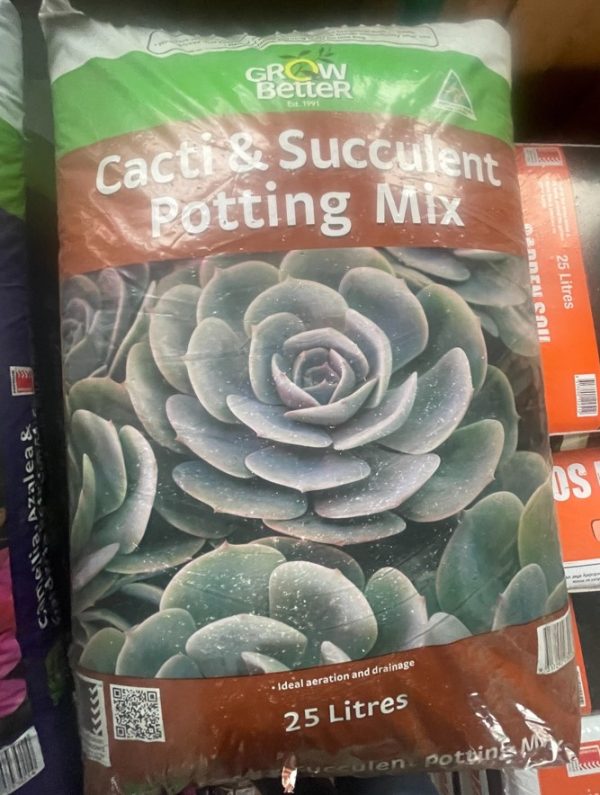
- Prefers a well-draining cactus or succulent mix. Adding sand or perlite to standard potting soil improves drainage.
Watering:
- Follow the soak-and-dry method: water thoroughly, then allow the soil to dry out completely before watering again.
- During the winter months, reduce watering significantly, as the plant enters a dormant phase.
Temperature:
- Prefers warm temperatures between 18–27°C.
- Not frost-tolerant; keep it above 10°C, especially in winter.
Advantages:
- Low Maintenance: Ideal for beginners or those with a busy schedule.
- Architectural Appeal: Adds vertical interest and drama to indoor or outdoor spaces.
- Air Purifying: Like many succulents, it helps improve air quality indoors.
- Drought-Tolerant: Requires minimal watering once established.
Care Tips:
- Repotting: Repot every 2–3 years in a slightly larger pot, using fresh soil.
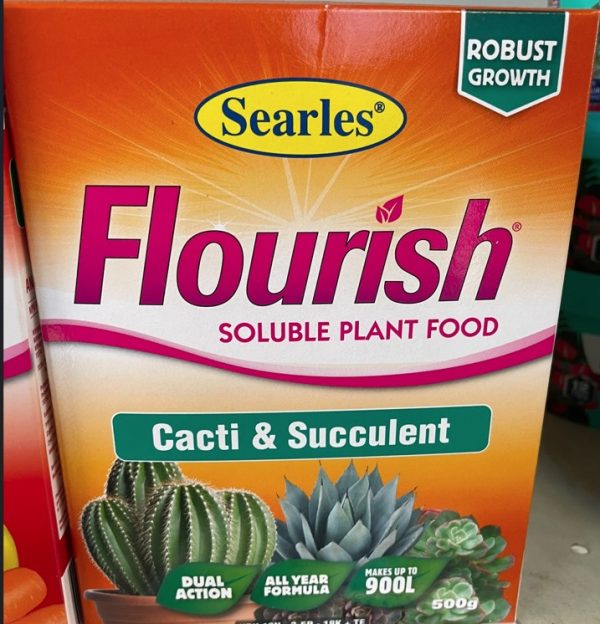
- Fertilizing: Feed with a diluted cactus fertilizer during the growing season (spring and summer) every 4–6 weeks.
- Pruning: Rarely needed, but can be done to control size or remove damaged stems.
- Handling: Wear gloves when handling, as the spines can cause injury and the plant’s sap is toxic and can irritate the skin.
Potential Issues:
- Overwatering: The most common problem; leads to root rot. Ensure the soil dries out fully between waterings.
- Pests: May attract mealybugs or spider mites indoors. Treat infestations with neem oil or insecticidal soap.
- Leaf Droop: Indicates either overwatering or insufficient light.
Uses in Design:
- Indoor Plant: Perfect for modern, minimalist, or industrial interiors.
- Desert Landscapes: Great for xeriscaping or paired with other succulents like agave and aloe.
- Containers: Suitable for decorative pots or as part of a succulent arrangement.
Toxicity:
- Caution: Like all Euphorbia species, its milky sap is toxic if ingested and can irritate the skin or eyes. Keep out of reach of pets and children.