Create breathtaking impact with the magnificent Spear Lily
Doryanthes palmeri – Spear Lily 🌿🔥
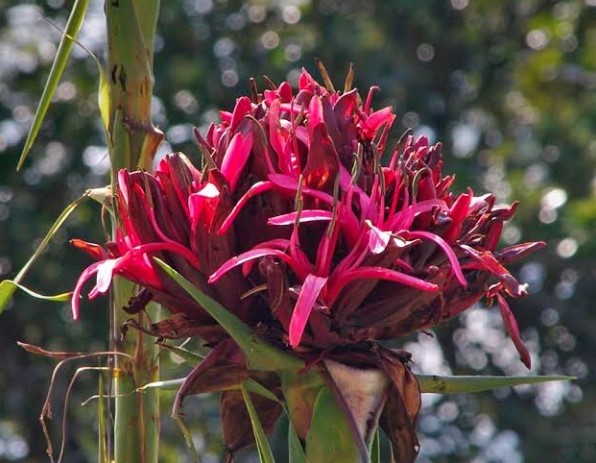
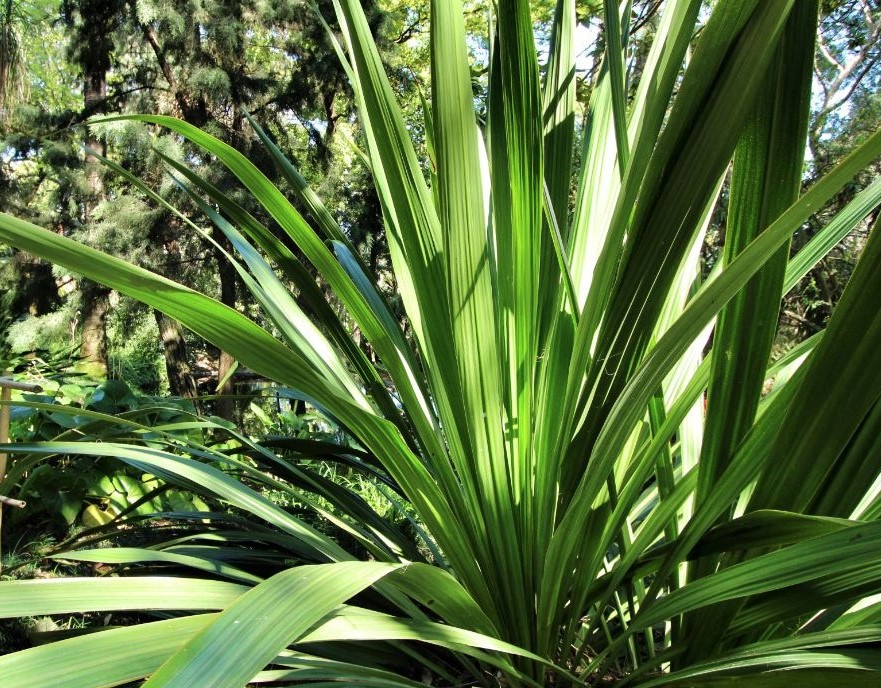
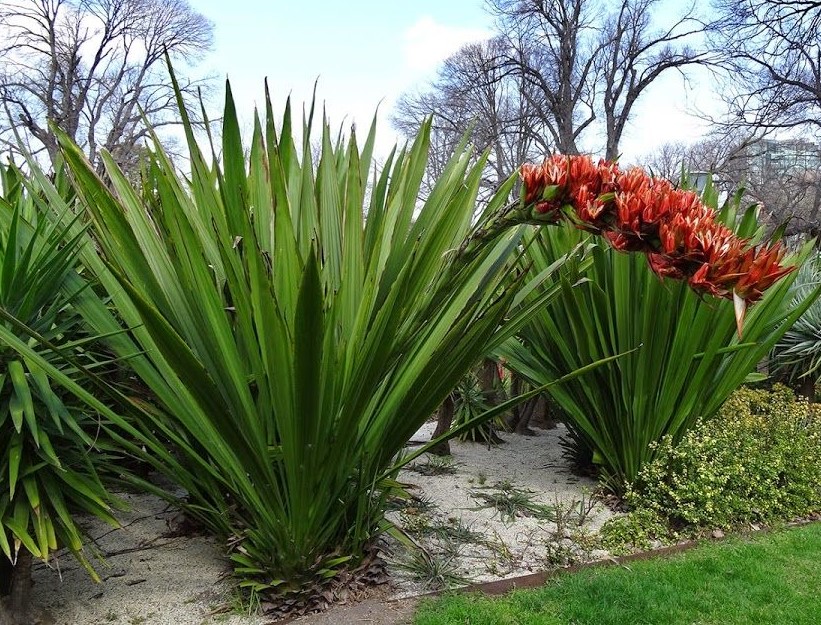
Doryanthes palmeri, commonly known as the Spear Lily, is a striking, large perennial plant native to Australia. It is closely related to Doryanthes excelsa (Gymea Lily) but differs in that its flower spike grows horizontally rather than upright. This unique growth habit, along with its massive, sword-like leaves and bright red flowers, makes it a spectacular choice for gardens and landscapes.
🌱 General Information:
- Family: Doryanthaceae
- Genus: Doryanthes
- Common Names: Spear Lily, Giant Spear Lily
- Native Region: Coastal regions of Queensland and northern New South Wales, Australia
- Growth Habit: Perennial, clumping plant with large foliage and a distinctive arching flower spike
🌞 Growing Conditions:
- Light: Full sun to partial shade (best flowering occurs in full sun)
- Soil: Well-draining, sandy or loamy soil; tolerates nutrient-poor soils
- Watering: Drought-tolerant once established but appreciates deep watering during dry spells
- Temperature: Hardy, tolerates mild frost but prefers warmer conditions
🌿 Foliage & Flowers:
- Leaves: Long, arching, sword-shaped leaves, growing up to 3 meters (10 feet) long
- Flowers:
- Large deep red to crimson flowers that bloom on a spectacular horizontal spike up to 5 meters (16 feet) long
- Blooms in spring and summer, taking around 10+ years to flower for the first time
- Flowers attract birds, bees, and other pollinators
- Fruit: Woody capsules containing numerous seeds
✂️ Care & Maintenance:
- Pruning: Remove dead leaves and spent flower spikes to maintain a tidy appearance
- Fertilizing: Use a slow-release, low-phosphorus fertilizer in spring to boost growth
- Pests/Diseases: Generally pest-free, though fungal issues may arise in high humidity
- Propagation:
- From seed: Slow-growing, takes many years to flower
- From offsets: More efficient method for propagation, though offsets are slow to develop
🏡 An iconic Australian feature plant for unforgettable landscapes
- Garden & Landscape Feature: A dramatic architectural plant for tropical, coastal, and arid gardens
- Erosion Control: Deep roots help stabilize slopes and prevent erosion
- Wildlife Attraction: Bright flowers attract nectar-feeding birds, especially honeyeaters
- Cultural & Indigenous Uses: Aboriginal Australians used the roots as a food source