Spectacular native beauty with towering crimson flower spikes
Doryanthes excelsa – Gymea Lily 🌿🔥
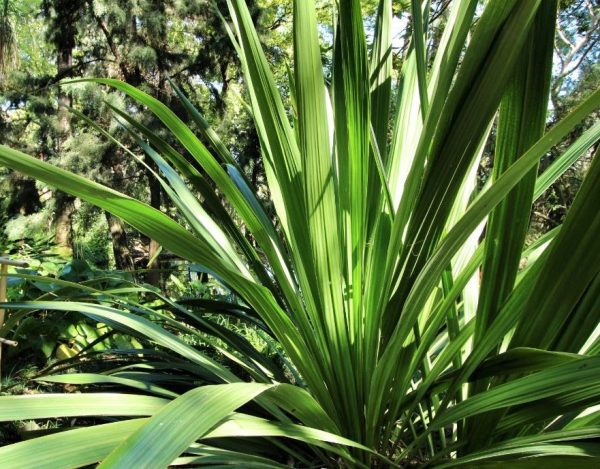
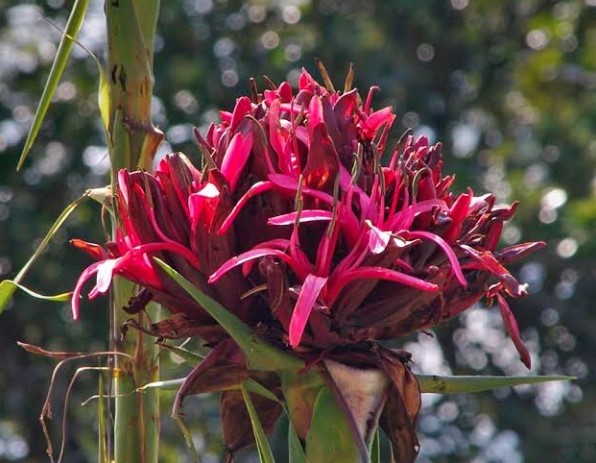
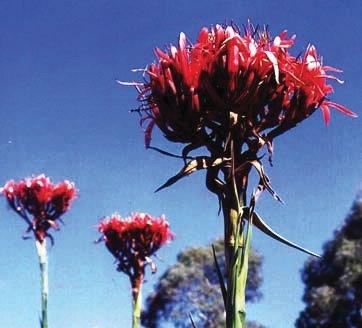
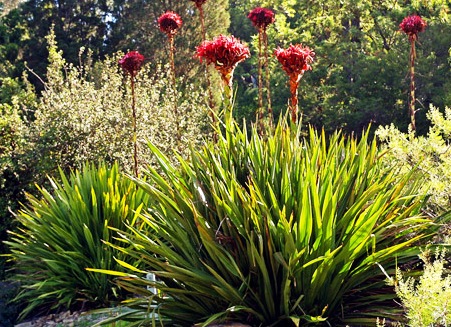
Doryanthes excelsa, commonly known as Gymea Lily, is a stunning, architectural plant native to Australia. It is renowned for its large rosettes of sword-like leaves and a towering flower spike that can reach up to 6–10 meters (20–33 feet) high, making it a spectacular feature in gardens and landscapes.
🌱 General Information:
- Family: Doryanthaceae
- Genus: Doryanthes
- Common Names: Gymea Lily, Giant Lily
- Native Region: Eastern Australia (New South Wales, especially around Sydney)
- Growth Habit: Perennial, evergreen, clumping plant
🌞 Growing Conditions:
- Light: Full sun to partial shade
- Soil: Well-draining, sandy or loamy soil; tolerates poor soil conditions
- Watering: Drought-tolerant once established but benefits from occasional deep watering
- Temperature: Hardy in warm climates, can tolerate mild frost
🌿 Foliage & Flowers:
- Leaves: Large, sword-shaped, bright green leaves that grow in a rosette, up to 3 meters (10 feet) long
- Flowers: Spectacular red, bird-attracting flowers appear in large clusters atop a towering spike in spring to early summer
- Fruit: Produces a woody capsule with numerous seeds
✂️ Care & Maintenance:
- Pruning: Remove spent flower stalks and dead leaves to keep the plant tidy
- Fertilizing: Use a slow-release, low-phosphorus fertilizer in spring to encourage growth
- Pests/Diseases: Generally pest-free but can occasionally be affected by fungal issues in humid conditions
- Propagation: Can be grown from seed (slow process) or division of offsets
🏡 Create unforgettable landscapes with this architectural Australian favourite Gymea Lily
- Landscape Feature: A striking focal point in gardens, parks, and large landscapes
- Erosion Control: The deep root system helps stabilize slopes
- Wildlife Attraction: Flowers attract birds, bees, and other pollinators
- Aboriginal Use: Indigenous Australians used the flower stems and roots for food