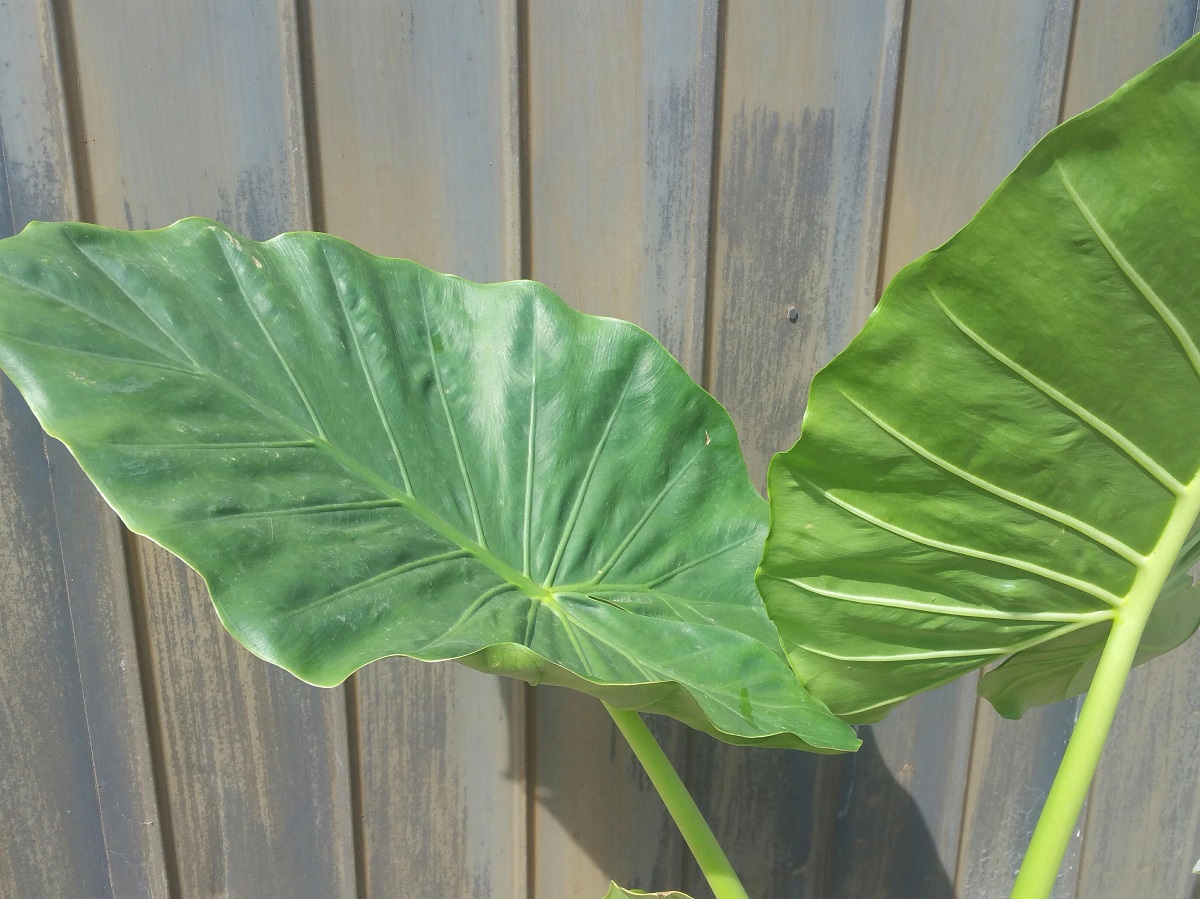
Massive leaves, bold style and instant garden drama
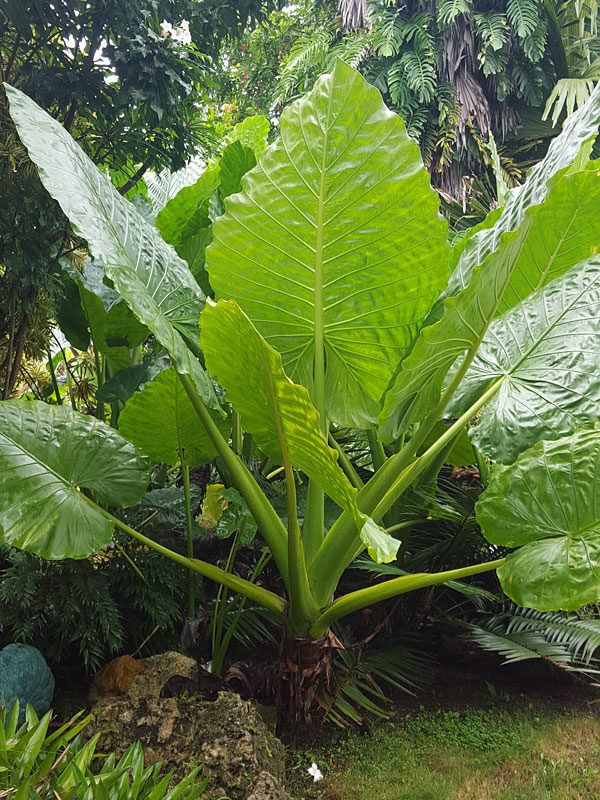
The Giant Elephants Ear Plant is a tropical plant known for its enormous leaves. This Dramatic Tropical plant requires shade. Grows to 4M
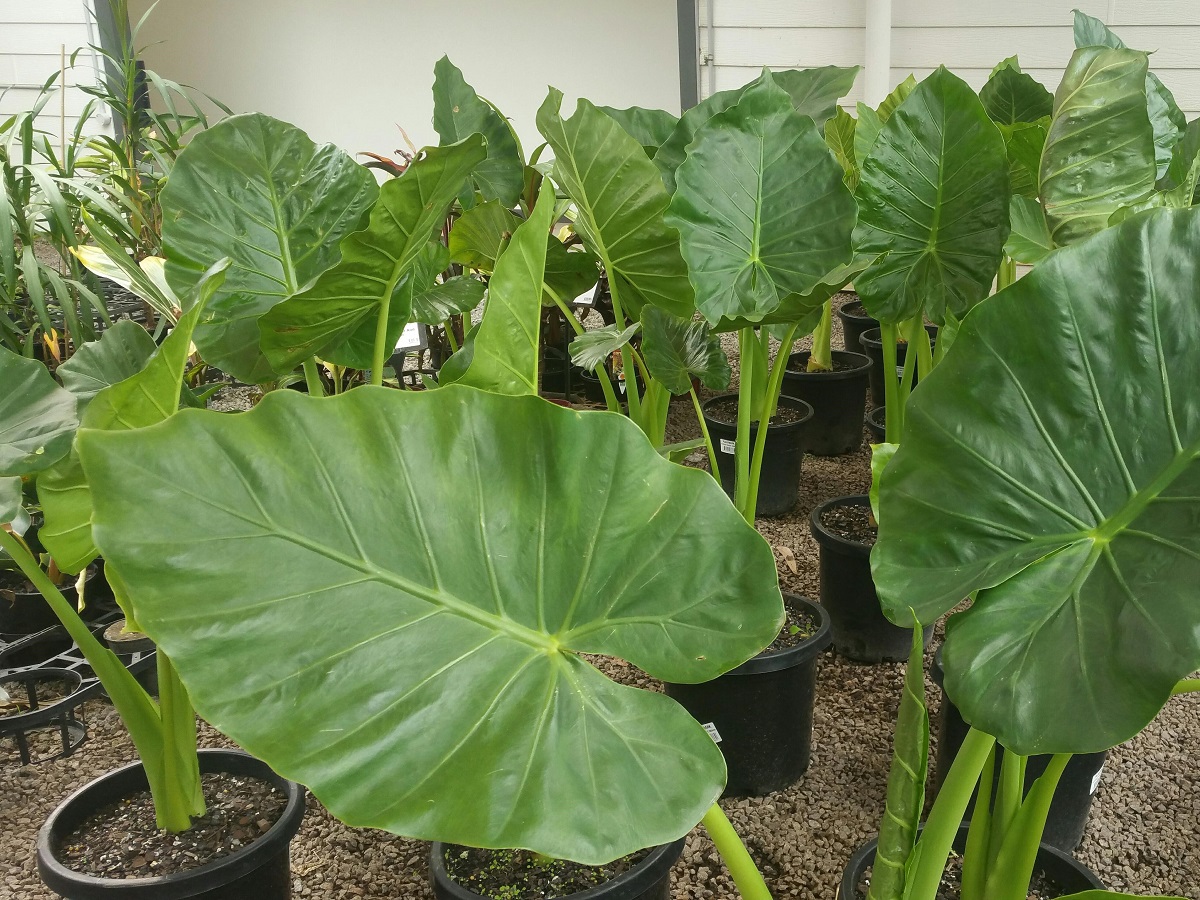
Alocasia macrorrhiza, commonly known as Giant Taro, Elephant Ear, or Upright Elephant Ear, is a striking tropical plant renowned for its enormous, heart-shaped leaves and bold presence. Native to Southeast Asia and the Pacific Islands, it thrives in warm, humid environments and is a popular choice for creating a lush, tropical atmosphere indoors or outdoors.
Key Features:
Appearance:
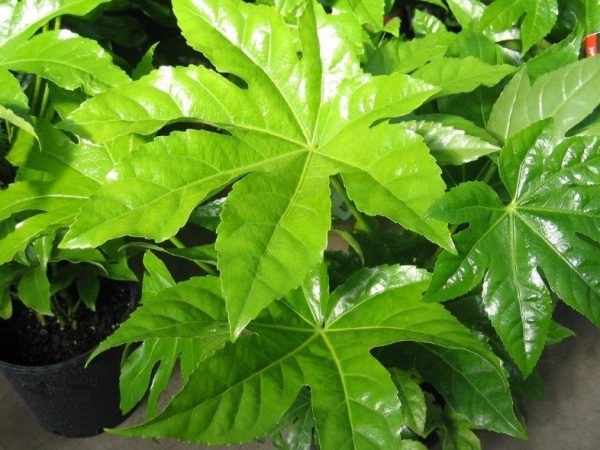
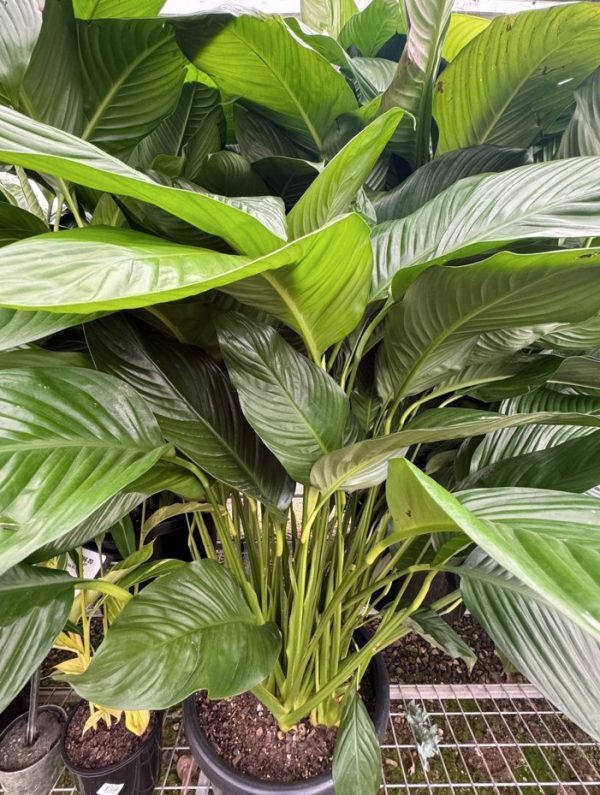
- Leaves: Large, glossy, deep green, heart-shaped leaves with prominent veining. They can grow up to 1 meter (3 feet) long and are held aloft on sturdy, upright stems.
- Height and Spread: Can reach up to 2–4 meters (6–13 feet) tall in ideal outdoor conditions, with a spread of 1–2 meters (3–6 feet).
- Growth Habit: A clump-forming perennial with a dramatic, architectural structure.
- Flowers: Produces small, inconspicuous yellowish-green spathes, though it rarely blooms indoors.
Growing Conditions:
Light Requirements:
- Thrives in bright, indirect light. It can tolerate some direct morning sun but should be protected from harsh afternoon sunlight to prevent leaf scorch.
- Can adapt to partial shade, though growth may slow down.
Soil:
- Prefers well-draining, nutrient-rich soil with good moisture retention. A mix of peat, compost, and perlite is ideal.
- Ensure the soil is slightly acidic to neutral (pH 5.5–7).
Watering:
- Keep the soil consistently moist but not waterlogged. Water thoroughly when the top 2–3 cm (1 inch) of soil feels dry.
- Avoid letting the plant sit in standing water to prevent root rot.
Humidity:
- Requires high humidity (above 50%) to thrive. If grown indoors, mist the plant regularly or use a humidifier to maintain moisture levels.
Temperature:
- Prefers warm temperatures between 18–30°C (65–86°F).
- Sensitive to cold and frost; temperatures below 15°C (59°F) can cause damage. Move potted plants indoors during cooler months in temperate climates.
Care Tips:
- Fertilizing:
- Feed every 2–4 weeks during the growing season (spring and summer) with a balanced liquid fertilizer or one high in nitrogen for foliage development.
- Reduce feeding in fall and winter when the plant’s growth slows.
- Pruning:
- Remove any yellowing or damaged leaves to maintain its appearance and encourage healthy growth.
- Repotting:
- Repot every 1–2 years or when the plant becomes root-bound. Choose a pot that is 2–3 inches larger in diameter than the current one.
- Pest Management:
- Watch for pests like spider mites, aphids, and mealybugs. Treat infestations with insecticidal soap or neem oil.
Advantages:
- Dramatic Foliage: Adds a bold, tropical vibe to any space.
- Air-Purifying: Improves indoor air quality by removing toxins.
- Low-Maintenance: Relatively easy to care for with proper light and water.
Potential Issues:
Common Problems:
- Yellowing Leaves:
- Often caused by overwatering or underwatering. Check the soil and adjust the watering schedule accordingly.
- Brown Leaf Edges:
- Indicates low humidity or excessive direct sunlight. Increase humidity and move the plant to a spot with indirect light.
- Wilting:
- May occur due to root rot, pests, or lack of water. Inspect the roots and soil for issues.
Toxicity:
- Toxic to pets and humans if ingested due to calcium oxalate crystals, which can cause irritation. Keep out of reach of children and pets.
Propagation:
- Best propagated through division:
- Gently remove the plant from its pot or dig it up if outdoors.
- Separate the offsets (young plants) from the parent rhizome, ensuring each division has roots attached.
- Replant the divisions in fresh, well-draining soil and water thoroughly.
Uses in Landscaping:
- Tropical Gardens: Ideal as a focal point or backdrop in tropical or subtropical landscapes.
- Container Planting: Thrives in large pots, making it suitable for patios, balconies, or indoor spaces.
- Water Features: Perfect for planting near ponds or other water features due to its love for moisture.
Companion Plants:
- Colocasia esculenta: Complements with similar foliage but different growth habits.
- Heliconia rostrata: Adds vibrant color to the lush greenery.
- Strelitzia nicolai (Giant White Bird of Paradise): Matches the tropical aesthetic with bold, upright leaves.
- Ferns: Create a layered, jungle-like effect with smaller, textured foliage.
The ultimate statement plant for lush landscapes
- In its native regions, Giant Elephants Ear, ‘Alocasia macrorrhiza’ has cultural and culinary uses. However, it must be carefully processed to remove toxins before consumption.
- Its enormous leaves were historically used as natural umbrellas in tropical rainforests.