
The Acacia implexa Lightwood is an Australian Native Tree
The perfect native tree for large Melbourne landscapes
Acacia implexa, commonly known as Hickory Wattle or Lightwood, is a fast-growing Australian native tree prized for its ornamental value, timber, nitrogen-fixing properties, and ability to thrive in dry conditions. It is a great shade tree and is often used in revegetation projects, windbreaks, and erosion control.
Key Features
- Scientific Name: Acacia implexa
- Common Names: Hickory Wattle, Lightwood
- Family: Fabaceae (Legume family)
- Native Range: Eastern Australia (Queensland, New South Wales, Victoria, South Australia)
- Growth Habit:
- Medium-sized evergreen tree, reaching 6–10 meters tall
- Can grow taller (up to 15 meters) in ideal conditions
- Upright, spreading canopy, providing good shade
- Leaves (Phyllodes):
- Narrow, sickle-shaped, dark green phyllodes (modified leaves)
- Grow 10–20 cm long and contain nitrogen-fixing properties
- Flowers:
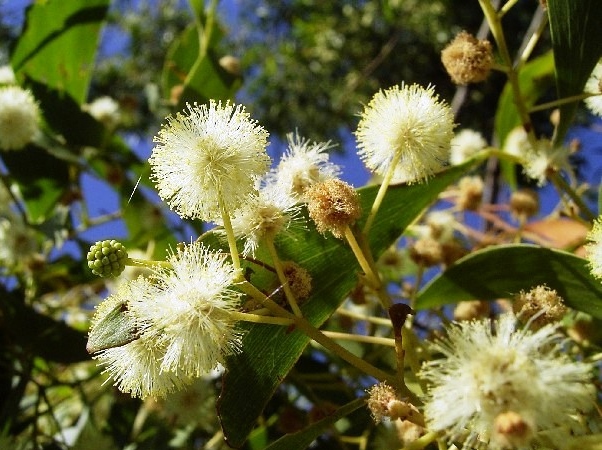
- Pale yellow to cream globular flower clusters, appearing in summer to early autumn
- Attracts bees and other pollinators
- Seed Pods:
- Long, twisted, brown seed pods
- Seeds are an important food source for native wildlife
- Drought & Frost Tolerance: Highly tolerant of dry conditions and mild frosts
- Lifespan: Long-lived (20–50 years or more)
- Uses: Shade tree, windbreaks, timber, erosion control, revegetation, and wildlife habitat
Growing & Care Guide
1. Planting Requirements
✅ Sunlight: Prefers full sun but can tolerate light shade.
✅ Soil: Well-drained sandy, loamy, or clay soils.
✅ pH: Tolerates acidic to slightly alkaline soils.
✅ Location:
- Ideal for large gardens, streetscapes, windbreaks, and native revegetation.
- Excellent for low-water-use landscapes.
2. Watering & Feeding
💧 Watering:
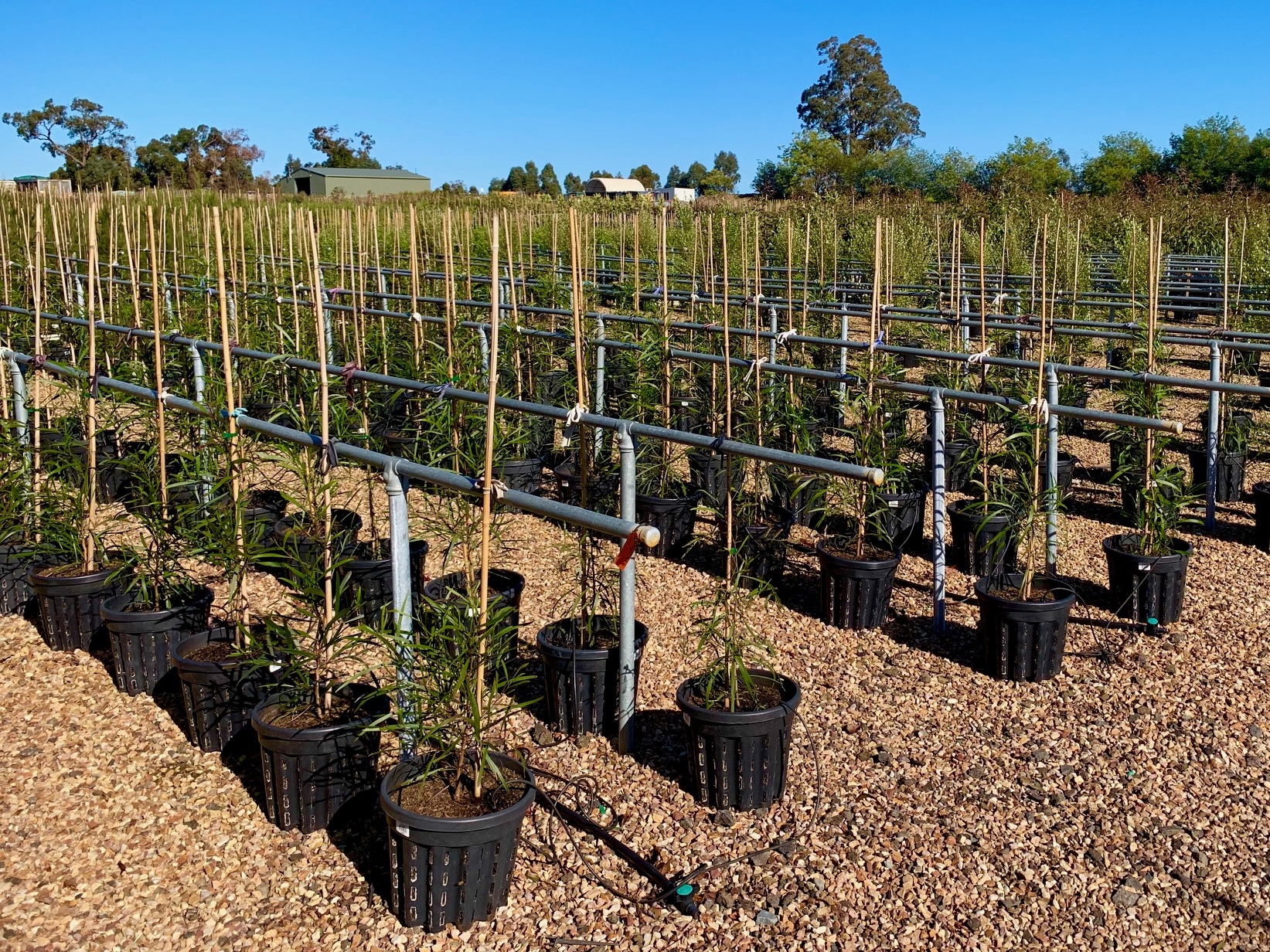
- Young trees: Water regularly until established (first 6–12 months).
- Mature trees: Extremely drought-tolerant, requiring little to no additional watering.
🌱 Fertilization:
- Does not require much fertilization since it fixes nitrogen in the soil.
- A light application of organic mulch or compost can support young trees.
3. Pruning & Maintenance
✂️ Pruning:
- Minimal pruning needed, but can be shaped when young to encourage strong structure.
- Remove dead or lower branches if needed to improve airflow.
🌿 Mulching:
- Apply organic mulch around the base to retain moisture and suppress weeds.
4. Pests & Diseases
🐜 Pest Resistance:
- Generally pest-free, but may occasionally attract borers, psyllids, or scale insects.
- If needed, use horticultural oil or neem oil to control infestations.
🦠 Disease Resistance:
- Resistant to most diseases but root rot can occur in waterlogged soils.
- Ensure good drainage to prevent fungal issues.
5. Propagation
🌱 Seed Propagation (Best Method):
- Scarify the seeds (rub with sandpaper or soak in boiling water overnight) to improve germination.
- Plant in well-drained soil in spring/summer.
- Germination usually occurs within 2–4 weeks.
🌿 Cuttings:
- Can be propagated from semi-hardwood cuttings, but success rates are lower than with seeds.
6. Landscaping & Uses
✅ Shade Tree: Provides excellent shade in hot, dry areas.
✅ Windbreak & Shelterbelt: Ideal for farms, properties, and streetscapes.
✅ Erosion Control & Revegetation: Stabilizes slopes and prevents soil loss.
✅ Timber Use: Hardwood timber used for furniture, flooring, and tool handles.
✅ Wildlife Habitat:
- Flowers attract bees and insects.
- Seeds provide food for birds and mammals.
✅ Fire-Resistant Planting: Tolerant of bushfire-prone environments.
Why Grow Acacia implexa Lightwood?
- Tough, drought-tolerant, and fast-growing.
- Fixes nitrogen, enriching soil naturally.
- Long-lived and low-maintenance.
- Attracts pollinators and provides habitat for wildlife.
- Useful for timber, shade, and windbreaks.