Norfolk Island Pine
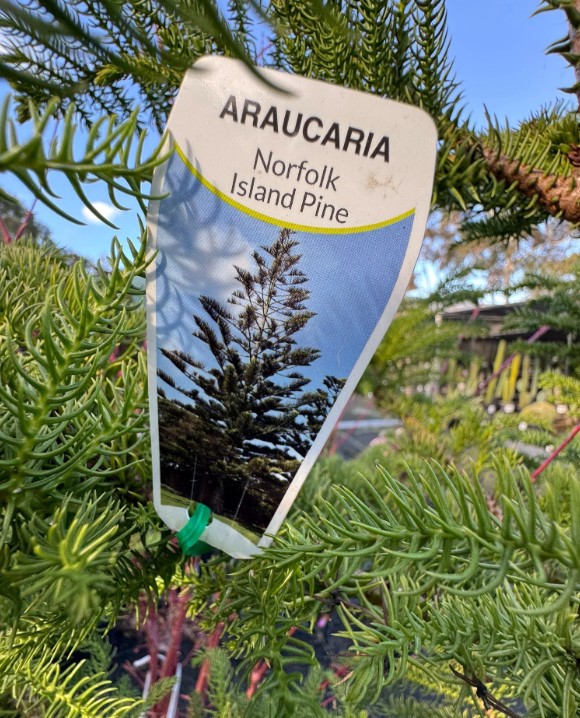
Araucaria heterophylla, commonly called the Norfolk Island Pine, is a symmetrical evergreen conifer prized for its perfectly tiered branches and architectural form. Although often sold as an indoor Christmas tree, it is actually a long-lived outdoor feature tree that thrives in mild coastal climates — making it surprisingly suitable for many parts of Melbourne, especially bayside and sheltered suburbs.
Key Characteristics
| Feature | Details |
|---|---|
| Botanical Name | Araucaria heterophylla |
| Common Name | Norfolk Island Pine |
| Height | 8–20m in Melbourne (can reach 50m in ideal coastal climates) |
| Width | 3–7m |
| Growth Rate | Moderate |
| Foliage | Soft, bright green needle-like leaves |
| Form | Perfectly layered pyramidal structure |
| Evergreen | Yes |
Why It Works in Melbourne
-
Tolerates cool winters (light frost when established)
-
Handles coastal wind and salt spray well
-
Thrives in sandy or free-draining soils common around Port Phillip Bay
-
Performs best in full sun but adapts to bright sheltered courtyards
-
Low litter compared to many large trees
Landscape Uses
-
Feature statement tree in modern gardens
-
Coastal and Hamptons-style landscapes
-
Poolside vertical accent
-
Large courtyard centrepiece
-
Indoor specimen (juvenile stage only)
Care Guide
| Requirement | Recommendation |
|---|---|
| Sun | Full sun to bright light |
| Water | Moderate; dislikes constantly wet soil |
| Soil | Free draining (very important) |
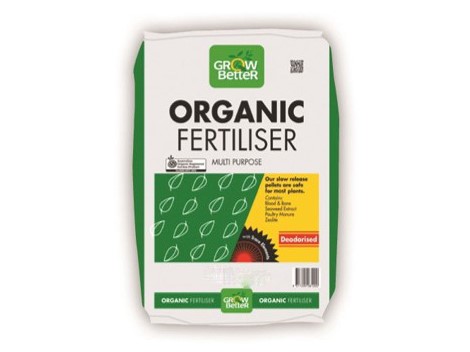
| Fertiliser | Light feeding in spring |
| Pruning | Avoid — keep natural shape |
| Frost | Protect when young |
Important Notes
-
Does not reshoot from hard pruning — placement matters
-
Indoor plants decline long-term due to low humidity
-
Needs vertical space — roots are generally non-aggressive
-
Very long-lived tree (can live 100+ years)
Quick Summary
The Norfolk Island Pine is less of a garden filler and more of a living sculpture — ideal where a single elegant tree is needed rather than dense shade. In Melbourne landscapes it performs best as a sunny, sheltered feature tree, particularly near the coast or in open lawns where its perfectly symmetrical structure can be appreciated.