Gardenia Radicans (Small growing, highly rewarding and beautiful)

Gardenia jasminoides Radicans

Strong gardenia fragrance in a compact plant

Gardenia jasminoides Radicans, commonly referred to as Dwarf Gardenia, Compact Gardenia or Creeping Gardenia, is a compact, low-growing variety of the well-known Gardenia jasminoides. Unlike the taller, bushier types of gardenia, ‘Radicans’ is valued for its spreading, ground-hugging habit and its fragrant, beautiful white flowers. It is often used in landscaping for ground cover, as a border plant, or in containers.

Key Features of Gardenia Radicans

  1. Flowers:
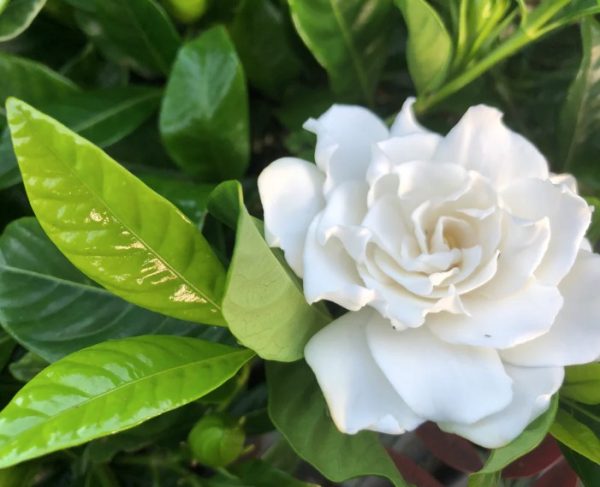
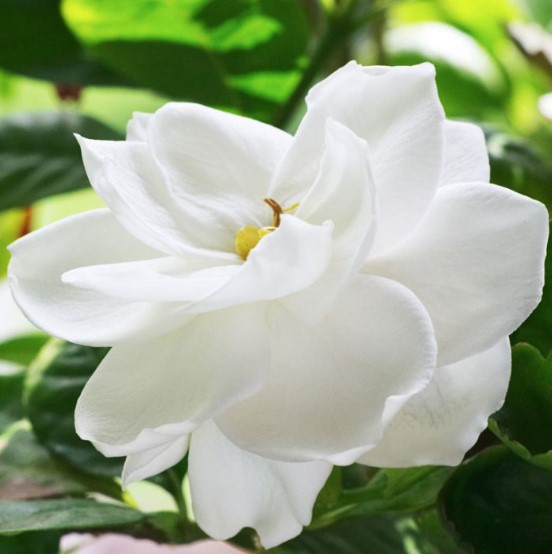
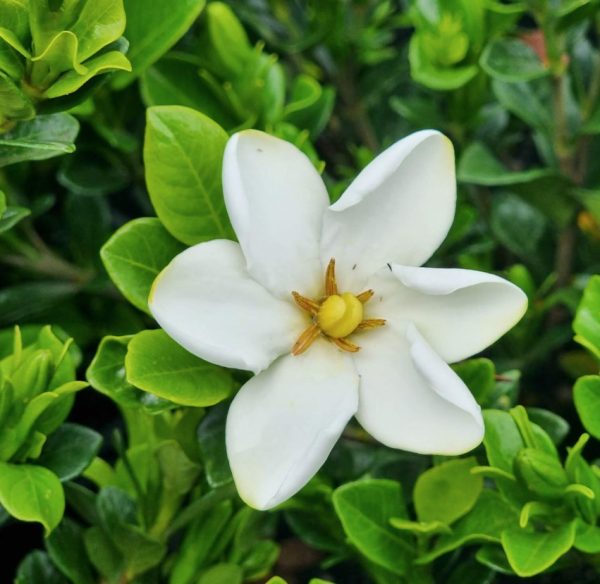
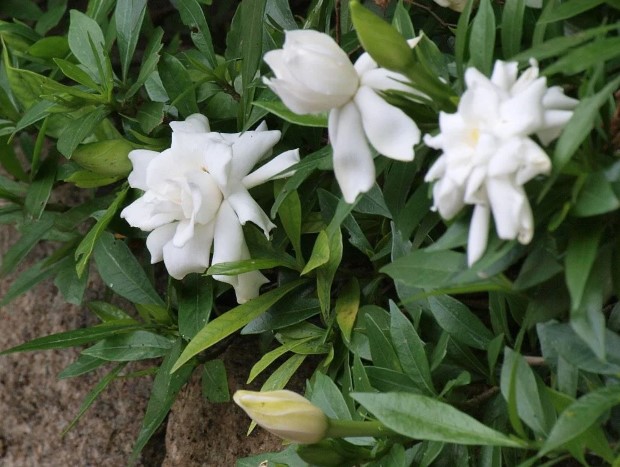
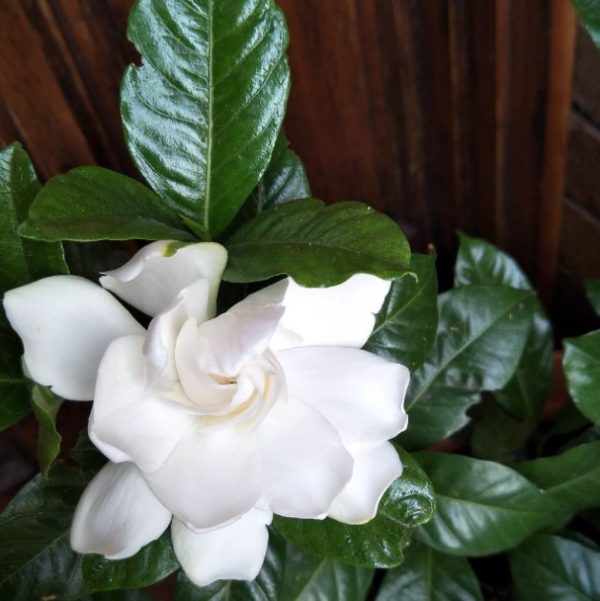
    • Appearance: The flowers of Gardenia Radicans are single white flowers with a strong, sweet fragrance. They typically have 5-7 petals and are less double-layered compared to some other gardenia varieties, but still highly aromatic and visually striking.
    • Fragrance: Like other gardenias, ‘Radicans’ has a very strong, sweet scent that is often described as one of the most fragrant flowers in the garden. It’s particularly noticeable during the warm months when the plant is in full bloom.
    • Blooming Season: The plant typically blooms from late spring to early summer and may continue to produce occasional flowers through the fall, depending on growing conditions.
  2. Growth Habit:
    • Size: Gardenia ‘Radicans’ is a low-growing, spreading plant that usually reaches a height of 1 to 2 feet (30 to 60 cm). It spreads 3 to 5 feet (1 to 1.5 meters) wide, making it perfect as ground cover or as part of a low border or edging.
    • Creeping Nature: It has a creeping, spreading habit, with stems that will root at the nodes when they come in contact with soil, making it an excellent choice for ground cover.
    • Compact and Mounding: Though it spreads, ‘Radicans’ maintains a dense, mounding form, ensuring it looks neat and tidy in the landscape.
  3. Foliage:
    • The leaves of Gardenia ‘Radicans’ are dark green, glossy, and leathery, similar to other gardenia varieties. These evergreen leaves provide year-round interest, even when the plant isn’t in bloom.
    • The foliage contrasts beautifully with the bright white flowers, giving the plant a rich, full appearance.
  4. Climate and Growing Conditions:
    • Sunlight: This gardenia prefers full sun to partial shade. In very hot climates, providing some afternoon shade can help protect the plant from heat stress, especially during the hottest parts of the day.
    • Soil: Prefers well-draining, acidic soil with a pH between 5.0 and 6.5. It thrives in slightly acidic, loamy or sandy soil that doesn’t retain excessive moisture, as it does not like soggy roots.
  5. Care and Maintenance:
    • Watering: Gardenia ‘Radicans’ requires consistent moisture, but it must not sit in water. Gardenias generally like evenly moist soil that is neither too dry nor too wet. Water deeply to encourage a strong root system, but ensure proper drainage to avoid root rot.
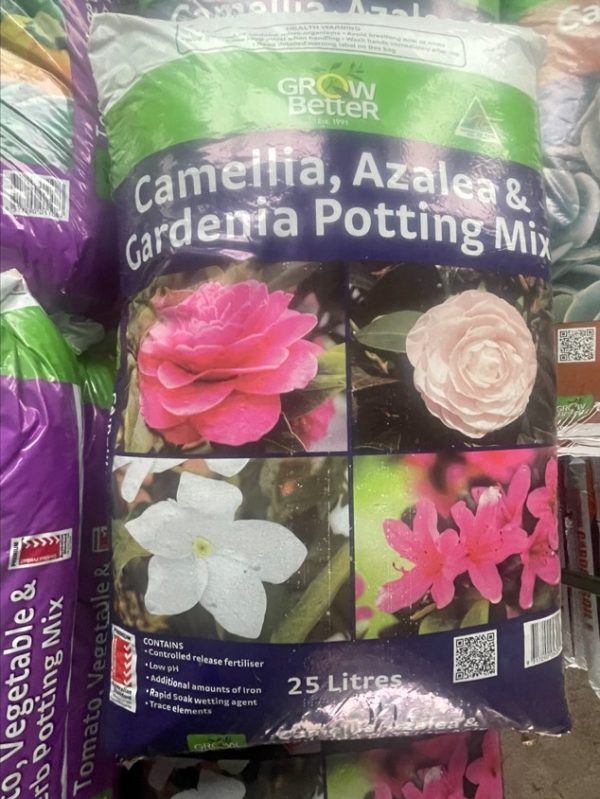
    • Fertilization: Fertilize with acid-loving plant food (such as for azaleas, camellias, or gardenias) in early spring before new growth begins, and once again in mid-summer. Avoid fertilizing late in the growing season, as this may encourage new growth that could be damaged by cold weather.
    • Pruning: Gardenia ‘Radicans’ generally doesn’t need heavy pruning. However, light pruning after blooming can help maintain its shape and encourage denser growth. Prune back any dead or damaged wood and shape it to keep the plant tidy.
    • Mulching: Apply organic mulch around the base of the plant to retain moisture, regulate soil temperature, and keep weeds at bay. A 2-3 inch layer of pine bark or pine straw is ideal for gardenias.
  6. Pests and Diseases:
    • Common Pests: Gardenia ‘Radicans’ may attract common gardenia pests like aphids, whiteflies, scale insects, and spider mites. Regular inspection and treatment with insecticidal soap or horticultural oils can help control these pests.
    • Fungal Issues: As with many gardenias, it may be susceptible to fungal diseases, especially powdery mildew and root rot. Proper spacing for good air circulation and well-draining soil are essential to prevent these issues. Avoid overwatering.
    • Yellowing Leaves: If the leaves turn yellow, it may be due to nutrient deficiencies (especially nitrogen or iron), or the plant may be suffering from overwatering or poor soil drainage. Check soil pH and nutrient levels if yellowing occurs.
  7. Advantages of Gardenia jasminoides ‘Radicans’:
    • Compact and Low-Growing: Its low, spreading form makes it perfect for use as ground cover, borders, or in container gardening.
    • Fragrance: Like other gardenias, ‘Radicans’ has a highly fragrant, sweet aroma that can fill the garden with its scent, making it perfect for near walkways or patio areas.
    • Evergreen: This cultivar is evergreen in warmer climates, providing year-round visual interest and foliage cover.
    • Versatility: It works well in a range of garden styles, including formal gardens, coastal gardens, and tropical landscapes.
  8. Potential Challenges:
    • Cold Sensitivity: Gardenia ‘Radicans’ is sensitive to frost and cold temperatures. If you live in a region where temperatures drop below freezing, you may need to bring it inside during the winter or provide frost protection.
    • Soil Requirements: Gardenias prefer acidic soil, so if your garden has alkaline soil, you may need to amend it with soil acidifiers to help the plant thrive.

Small growing Gardenia, highly rewarding and beautiful

Gardenia Radicans is a versatile, low-growing cultivar of gardenia that offers stunning white flowers and an enchanting fragrance. Its spreading habit makes it an excellent choice for ground cover, low borders, or even as a container plant. It thrives in warm climates with well-drained, acidic soil and requires regular watering and proper care to maintain its health and vibrant appearance. With its evergreen foliage and beautiful blooms, ‘Radicans’ can be an outstanding addition to any landscape, providing year-round visual and olfactory appeal.

$14.25$26.25 inc. GST

In stock

There is No Limit to how many plants you buy:

Melbourne Metro deliveries cost $55.00.
Expect your delivery to arrive between 1 and 5 business days.

The Mornington Peninsula ** Mt Eliza to Portsea ** and Geelong deliveries cost $77.00.
Expect your delivery to arrive between 1 and 5 business days.

Outer Melbourne / Semi Regional deliveries cost $165.00.
Expect your delivery to arrive between 1 and 7 business days.

Regional Victoria deliveries cost between $264.00 – $330.00
Expect your delivery to arrive between 3 and 7 business days.

Call Logistics Directly on 0427 047 857

“GET YOUR PLANTS IN THE VAN!!”
 

Is this product Out of Stock? Ask us when it’s back in stock!

Some more options…

Shopping Cart
Plants for Spaces
Testimonials
5
from 226 reviews
Scroll to Top